
Contents
Overview
An NFT, or non-fungible token, is a unique digital identifier recorded on a blockchain that certifies ownership and authenticity of a digital item, such as artwork, music, or video, and can be bought, sold, and traded like a physical collectible. NFTs are created using blockchain technology, such as Ethereum, and can be stored in digital wallets, like MetaMask. The concept of NFTs has been influenced by Bitcoin and other cryptocurrencies, but differs from them in its unique identifiability and non-fungibility. As a result, NFTs have become a new class of investment asset, with platforms like OpenSea and Rarible facilitating their creation, buying, and selling, and have also been used in the gaming industry, with platforms like Decentraland and The Sandbox using NFTs to represent in-game assets.
📖 Definition & Core Concept
An NFT is a unique digital identifier that is recorded on a blockchain, such as Polygon or Solana, and is used to certify ownership and authenticity of a digital item, such as artwork, music, or video. NFTs are created using blockchain technology and can be stored in digital wallets, like Trust Wallet. They are non-fungible, meaning they cannot be copied, substituted, or subdivided, and their ownership can be transferred by the owner, allowing NFTs to be sold and traded, similar to how NBA Top Shot uses NFTs to represent unique moments in basketball history.
🔬 How It Works (Mechanics)
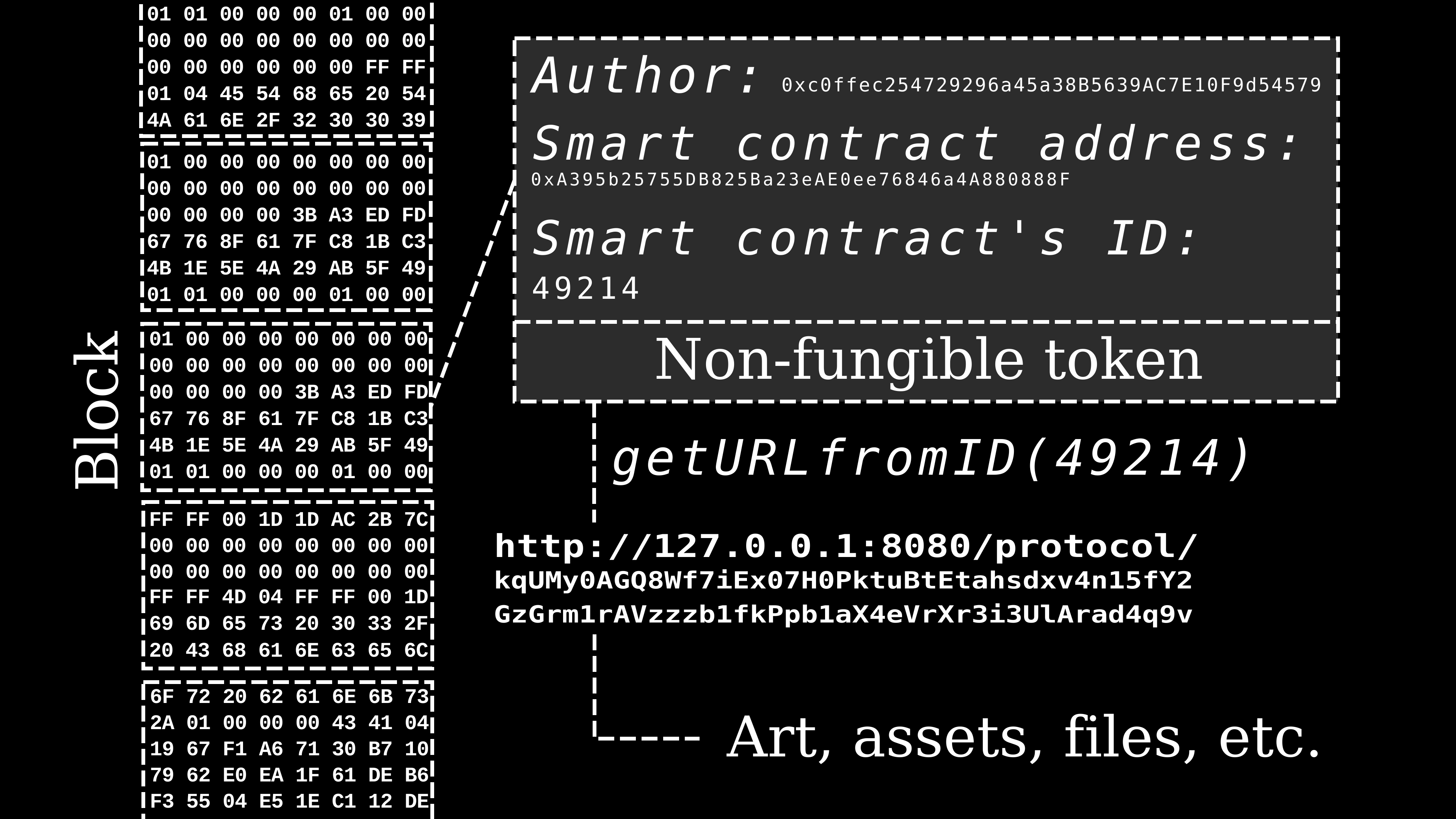
The mechanics of NFTs involve the use of smart contracts, which are self-executing contracts with the terms of the agreement written directly into lines of code, and are typically built on platforms like Web3. This allows for the creation, buying, and selling of NFTs, with the ownership and authenticity of the digital item being verified by the blockchain. For example, the NFT marketplace Superare uses IPFS to store and manage NFTs, and has been used by artists like Beeple to sell their digital artwork.
📊 Key Facts, Numbers & Statistics
Key statistics and numbers related to NFTs are not readily available, but it is clear that the market is growing and evolving rapidly. The NFT analytics platform Nansen provides insights into the NFT market, including sales data and trends, and has been used by investors and collectors to make informed decisions about their NFT investments.
🌍 Real-World Examples & Use Cases
Real-world examples of NFTs include digital artwork, such as the Everydays collection by Beeple, and music, such as the NFT music platform Audius, which allows artists to create and sell NFTs of their music. NFTs are also being used in the gaming industry, with platforms like Decentraland and The Sandbox using NFTs to represent in-game assets, and have been used by companies like Ubisoft to create unique in-game experiences.
📈 History & Evolution
The history and evolution of NFTs is complex and multifaceted, but it is clear that the concept has been influenced by Bitcoin and other cryptocurrencies. The NFT Association is a trade organization that aims to promote the development and adoption of NFTs, and has been working with companies like Coinbase to provide education and resources to the NFT community.
⚡ Current State & Latest Developments
The current state of the NFT market is one of uncertainty and volatility, but proponents of NFTs argue that they provide a public certificate of ownership and authenticity, and can be used to represent a wide range of digital items, from artwork to music to in-game assets. The NFT community is active and engaged, with many artists, collectors, and enthusiasts participating in online forums and social media groups, such as the NFT subreddit and the NFT Discord server.
🔮 Why It Matters & Future Outlook
The future outlook for NFTs is uncertain, but some experts predict that they will continue to grow in popularity and value, with new use cases and applications emerging in the coming years. Others, however, are more skeptical, arguing that the market is overhyped and that NFTs are nothing more than a fad. The NFT research firm Delphi Digital provides insights and analysis on the NFT market and its potential future developments, and has been working with companies like Facebook to explore the use of NFTs in social media.
🤔 Common Misconceptions
Common misconceptions about NFTs include the idea that they are only used for digital artwork, when in fact they can be used to represent a wide range of digital items. Another misconception is that NFTs are only for investors and collectors, when in fact they can be used by anyone who wants to create, buy, or sell digital items. The NFT education platform NFT School provides resources and courses for those looking to learn more about NFTs, and has been used by artists and collectors to learn about the NFT market and how to participate in it.
Key Facts
- Origin
- Blockchain technology
- Category
- relationships
- Type
- concept
- Format
- what-is
Frequently Asked Questions
What is an NFT?
An NFT, or non-fungible token, is a unique digital identifier recorded on a blockchain that certifies ownership and authenticity of a digital item, such as artwork, music, or video. For example, the NFT marketplace Foundation uses Ethereum to create and manage NFTs, and has been used by artists like Grimes to sell their digital artwork.
How do NFTs work?
NFTs work by using blockchain technology to create a unique digital identifier that is recorded on a blockchain and is used to certify ownership and authenticity of a digital item. This allows for the creation, buying, and selling of NFTs, with the ownership and authenticity of the digital item being verified by the blockchain. The NFT protocol ERC-721 is a standard for creating and managing NFTs on the Ethereum blockchain, and has been used by companies like Nike to create unique digital experiences.
What are the benefits of NFTs?
The benefits of NFTs include the ability to create, buy, and sell unique digital items, as well as the ability to verify ownership and authenticity. NFTs also provide a new way for artists and creators to monetize their digital work, and for collectors to own and trade unique digital items. The NFT platform Superare provides a marketplace for artists and collectors to buy and sell NFTs, and has been used by companies like Warner Music to create unique digital experiences.
What are the risks of NFTs?
The risks of NFTs include the volatility of the market, as well as the potential for fraud and scams. Additionally, the value of NFTs can be highly speculative, and there is a risk that they may not hold their value over time. The NFT regulation landscape is still evolving, and it is essential to stay informed about the latest developments and best practices. The SEC and other regulatory bodies are working to provide guidance on the regulation of NFTs, and companies like Coinbase are working to provide education and resources to the NFT community.
How can I buy and sell NFTs?
You can buy and sell NFTs on online marketplaces, such as OpenSea and Rarible, which specialize in the buying and selling of NFTs. You can also create your own NFTs using platforms like Superare and Foundation, and sell them on these marketplaces.